Explore the points of interest of our agroecological reserve. Click on the markers to discover more about each place.
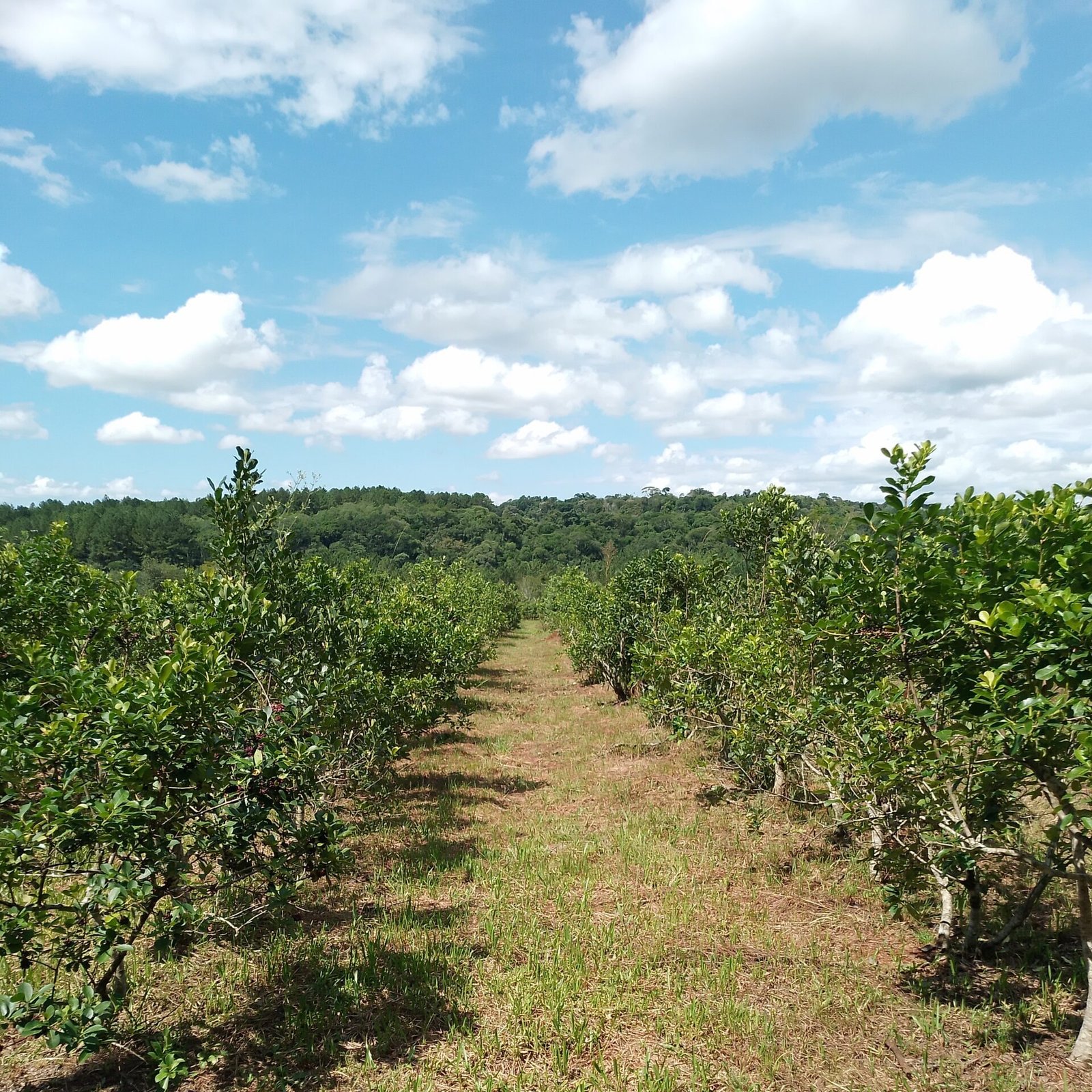
In this corner of the farm is located the yerba mate plantation of 1,5 hectares. Since we began working here, we are transforming a degraded monoculture into a biodiverse production system. We think not only about caring for the yerba plants but also about soil recovery by generating organic matter with the planting of green covers and the addition of fertilizers that provide microorganisms and minerals. We also made a change in the way we prune/harvest the yerba, adopting a more respectful management of the plant that promotes its development. Additionally, we planted about 200 native trees in the plot with the goal of achieving a shaded and biodiverse yerba plantation in the future.
We decided to name this farm “Paso Tirica” in honor of the tirica that passed through the farm at the beginning of 2022 and was recorded by our hidden camera. The Tirica (Leopardus guttulus) is a small jungle feline whose distribution ranges from Costa Rica to northern Argentina. Its conservation status is “vulnerable.” This feline can hide in tree hollows or caves built by other animals. It hunts both day and night, and although it is terrestrial, it is an excellent climber. It feeds on small rodents, birds, and weasels. For us, its presence represents the health of this natural reserve. We enjoy knowing that we coexist with a great diversity of living beings who have known and roamed the place for a long time. Since we have been here, we have been able to record the presence of several animals that inhabit the area, and the sighting of the Tirica particularly moved us.
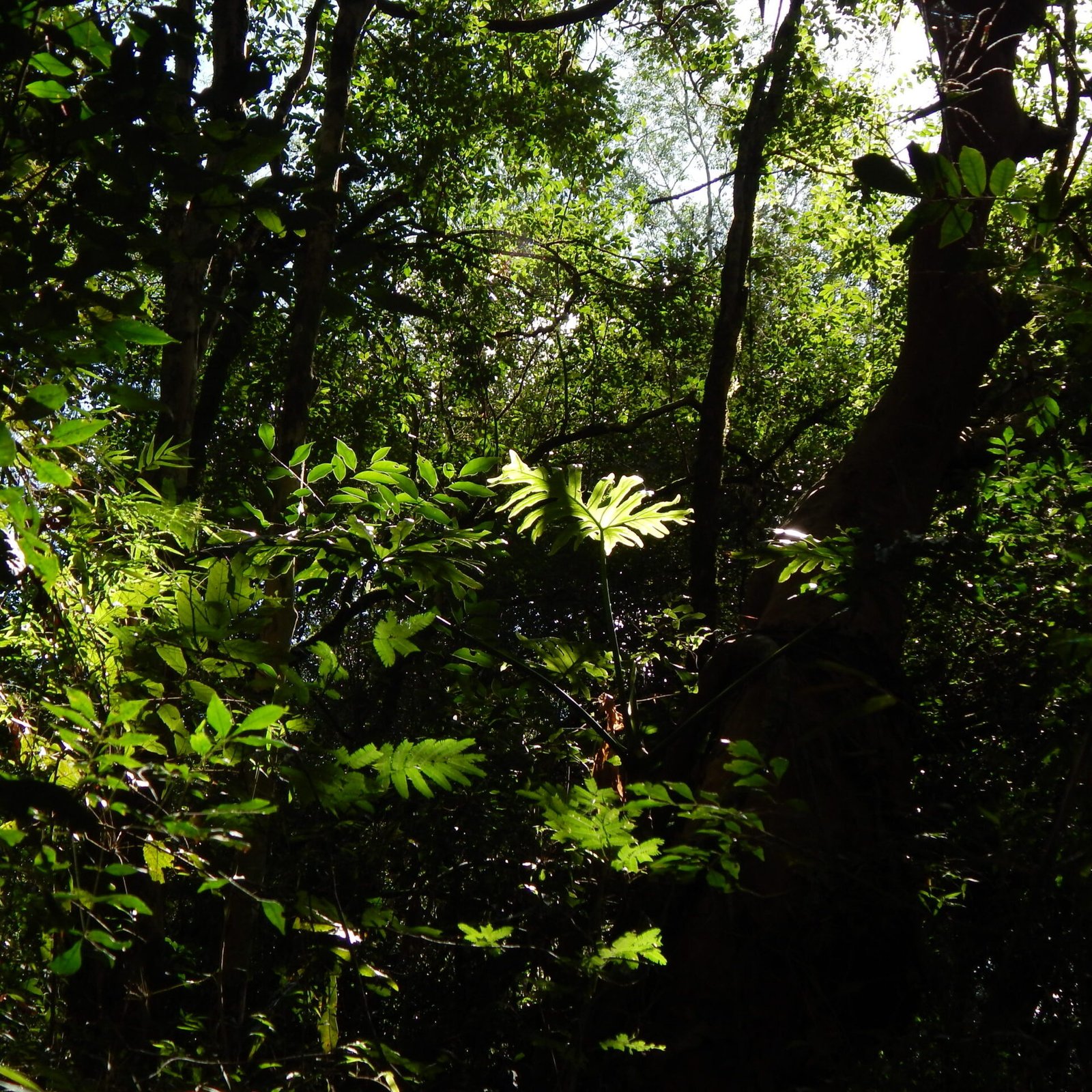
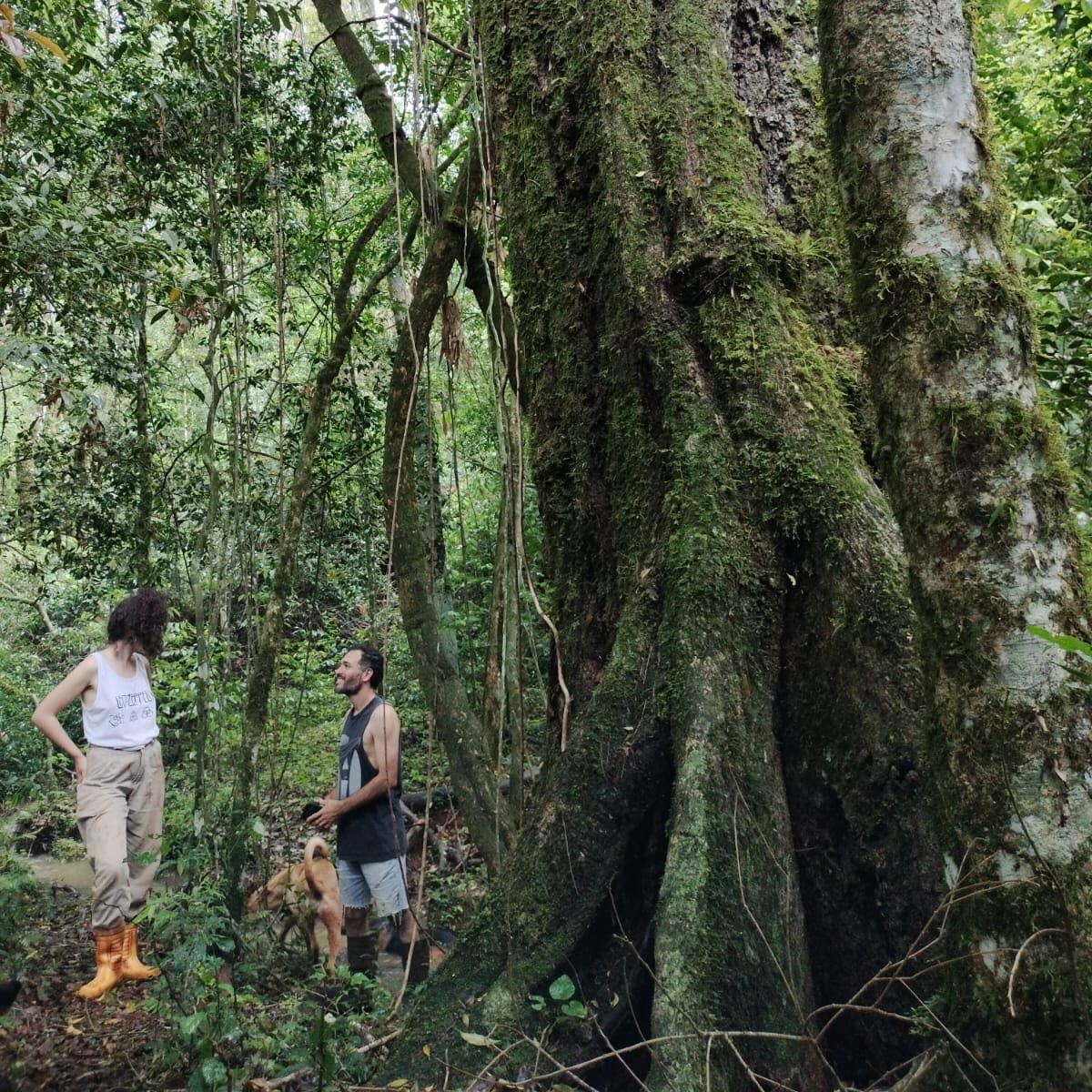
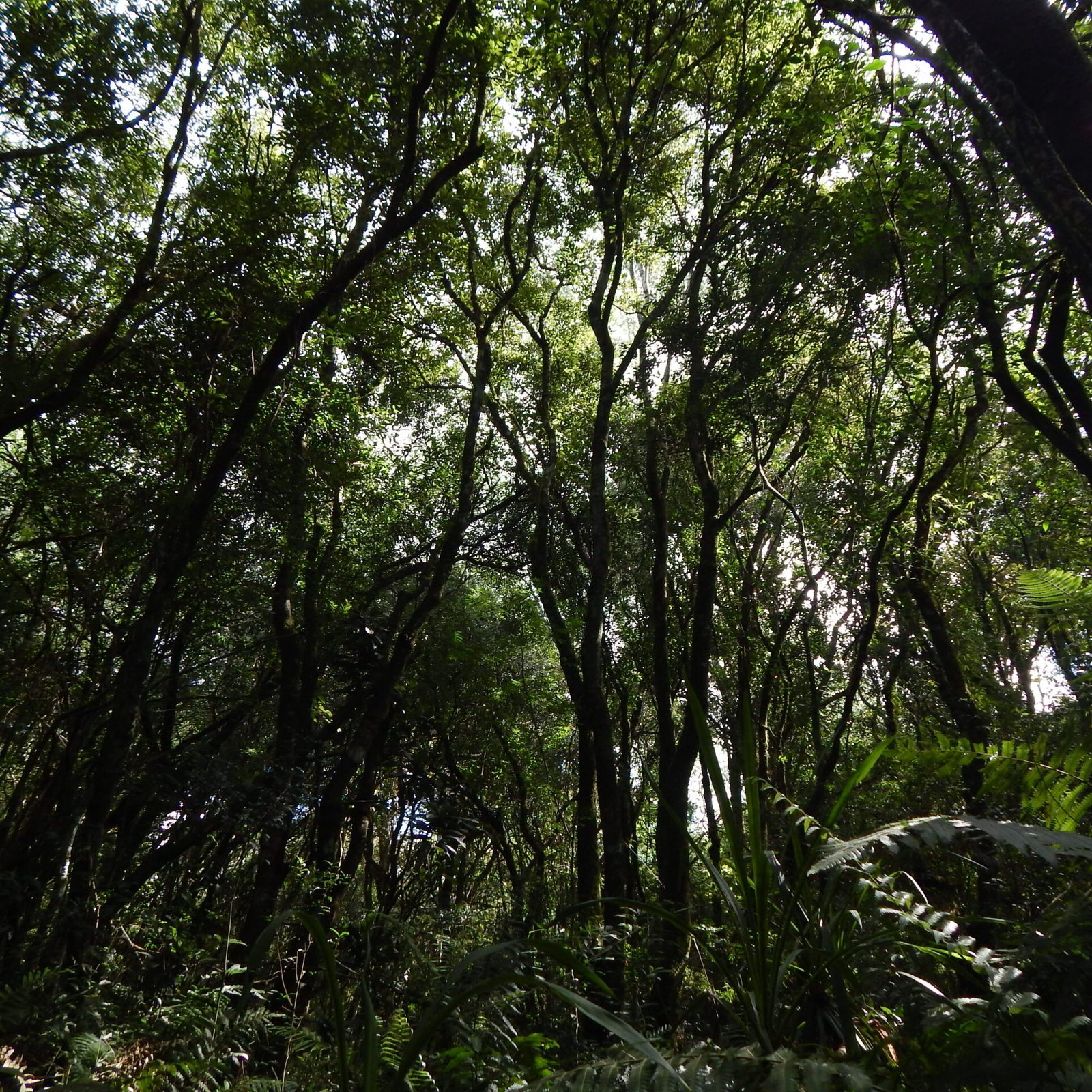
One of the most important decisions in our project was to establish the 14 hectares of forest at Paso Tirica as a natural reserve. The forest almost entirely surrounds the farm and protects the watershed of the stream. Considering that many animal species require considerable space to thrive, this forest plays a fundamental role in the region. We maintain trails that allow visitors to admire nature and learn about the diversity of trees present in the Misiones Rainforest.
![{"capture_mode":"AutoModule","faces":[]}](https://pasotirica.com/wp-content/uploads/2025/12/paso-tirica-bombeo-panel-solar-2-scaled-e1766022412308.jpg)
Access to water is crucial to ensure the crops thrive. For this reason, we devised a system that pumps water from the Pond. The rPond is fed by the stream and serves as a water and biodiversity reservoir for the entire reserve. Two solar panels power a pump that operates during the day, lifting the water to the higher parts of the farm where it is stored in a 3000-liter tank. From there, we can irrigate the garden and the crops with a gravity-fed irrigation system.
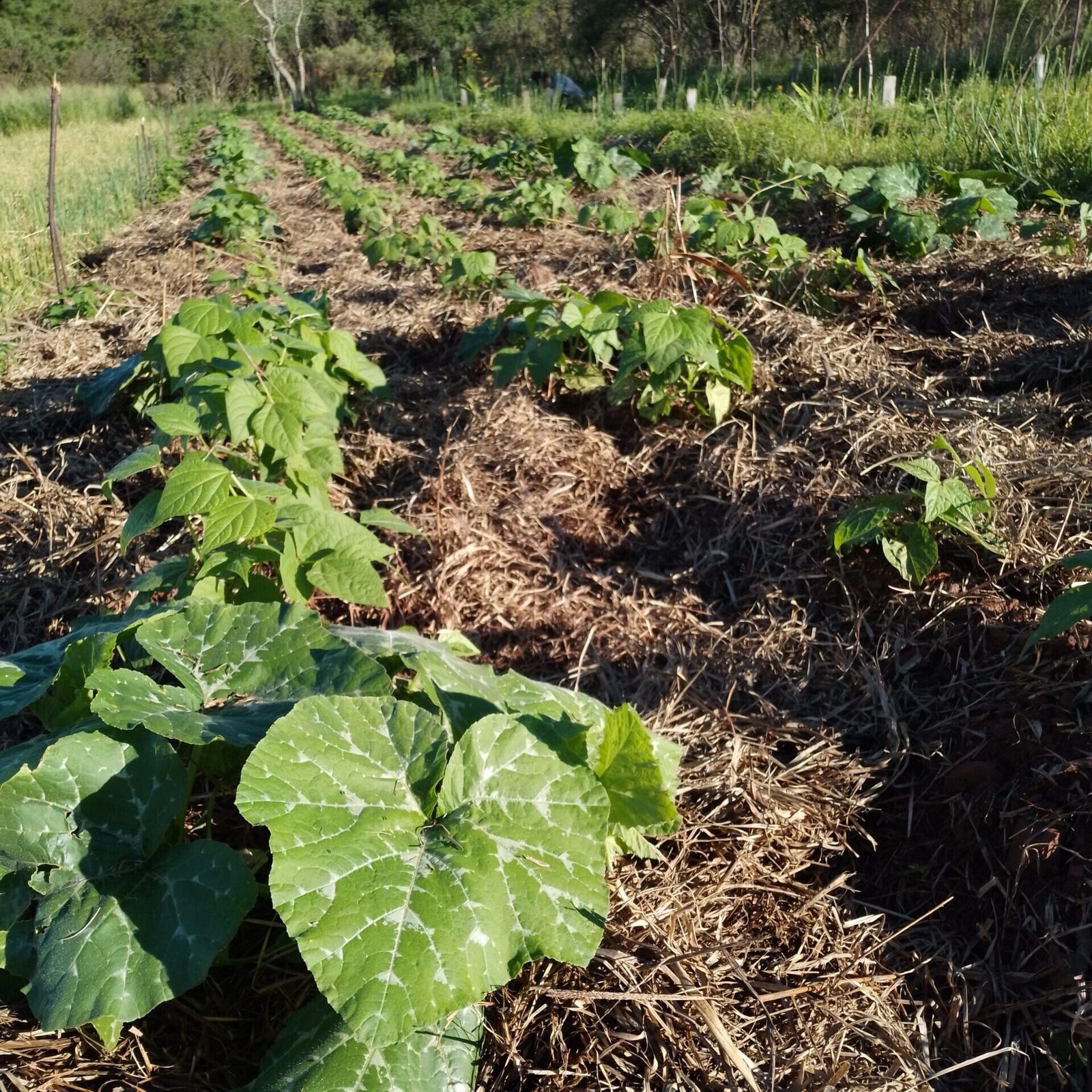
Our vegetable garden and agroforestry systems are located on what used to be a cattle pasture. There, we found compacted soil poor in nutrients, which we have gradually regenerated through the continuous incorporation of organic matter and natural fertilizers.
In the garden, we grow vegetables year-round — one cycle in spring-summer and another in autumn-winter.
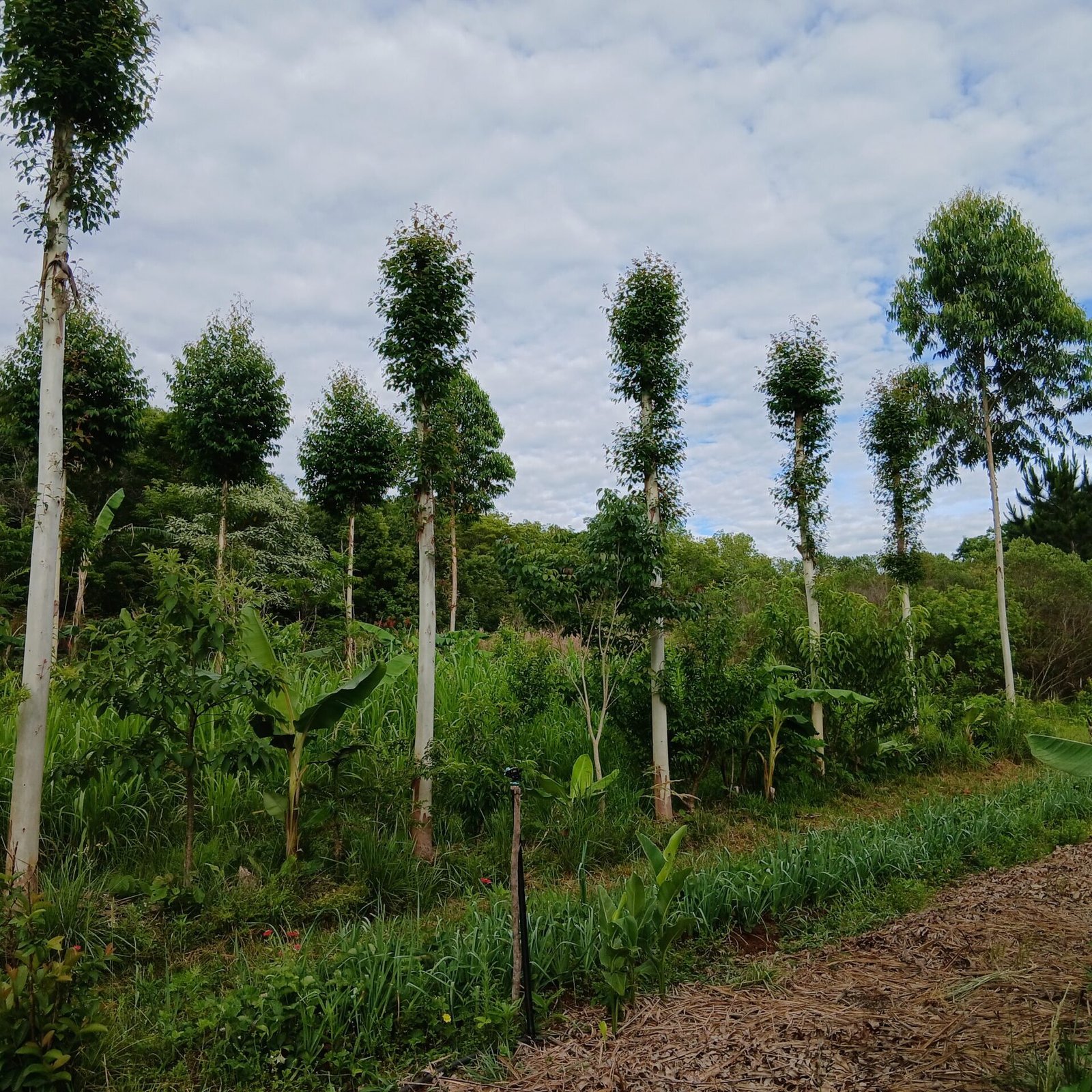
The agroforestry systems (AFS) focus on yerba mate, citrus, and various fruit trees, combined with native species.
Between the AFS rows, we plant annual crops such as corn, beans, cassava, peanuts, squash, or hibiscus.
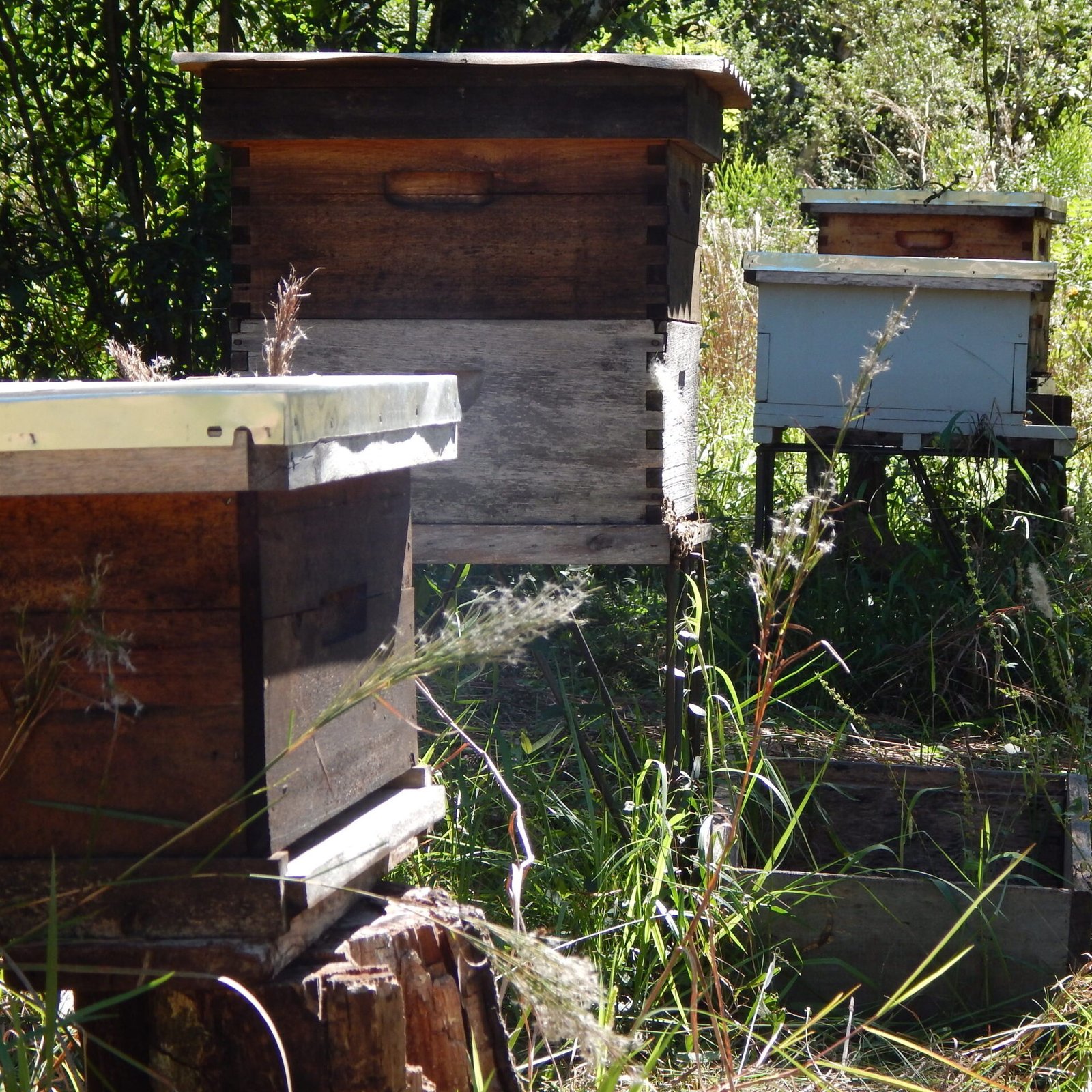
Here is our apiary where we have installed 5 beehives. We chose this location because it is surrounded by native trees that bloom at the start of spring, allowing the foragers to quickly find their food at the end of winter. The hives are located away from human activities to avoid disturbances. Each year, we plant flowers and melliferous trees to increase the food available not only for the apis bees but also for the native meliponas.
The stream that crosses the reserve is called Persiguero, and it originates less than two kilometers upstream. It is a small stream that never runs dry, even during droughts. Inside, fish and mojarras swim, and on its bed, we can see shells and aquatic plants that are indicators of the water’s health.
Along its course, the stream forms several waterfalls and is fed by springs that gradually increase its flow. As it leaves the farm, the Persiguero joins other tributaries to become the Once Vueltas stream, which eventually flows into the Uruguay River on the border with Brazil.
© 2026 Paso Tirica. Developed by Adriano Cabral Studio