Three elements that make up the identity of the Reserve
Through regenerative agriculture, we aim to increase the biodiversity of the territory and bring more life to its soil.
Lorsque nous sommes arrivés à la ferme, la seule parcelle productive était celle de yerba mate (1,5 ha). Depuis, nous avons travaillé à la transition agroécologique de cette parcelle en en plantant des engrais verts, des arbres natifs et en appliquant des biofertilisants maison, dans le but principal de régénérer un sol dégradé.
D’un autre côté, en 2021, nous avons commencé notre potager où nous produisons des légumes, et en 2022, nous avons mis en place notre premier système agroforestier, axé sur les arbres fruitiers et la yerba mate. En 2025, nous avons agrandi la parcelle avec un nouveau système agroforestier adjacent, centré sur les cultures annuelles, la yerba mate et les agrumes.
Nous planifions les espaces productifs selon des principes d’association et de rotation des cultures, à travers l’ association et la rotation des cultures, en favorisant la biodiversité et la génération de matière organique. Toute cette parcelle est irriguée par un système qui pompe l’eau du ruisseau grâce à une pompe alimentée par énergie solaire.
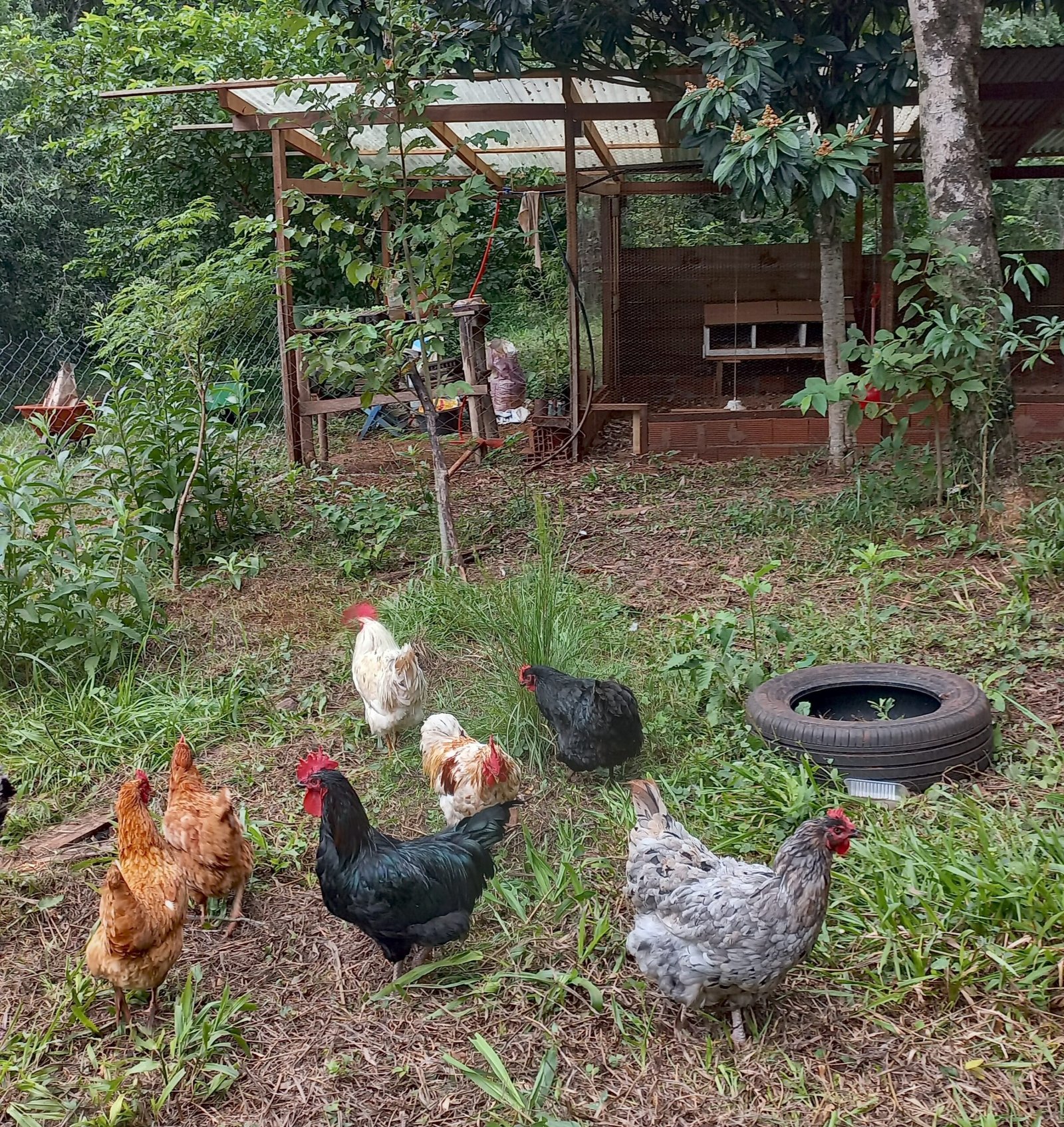
En 2023, nous avons commencé l’apiculture, et en 2025, nous avons intégré des poules pondeuses à notre projet productif.
Where there is forest, there is water; where there is water, there is life.
Paso Tirica encompasses about 14 hectares of native forest in various states of conservation and regeneration. Our goal is to have this area officially declared a protected natural reserve.
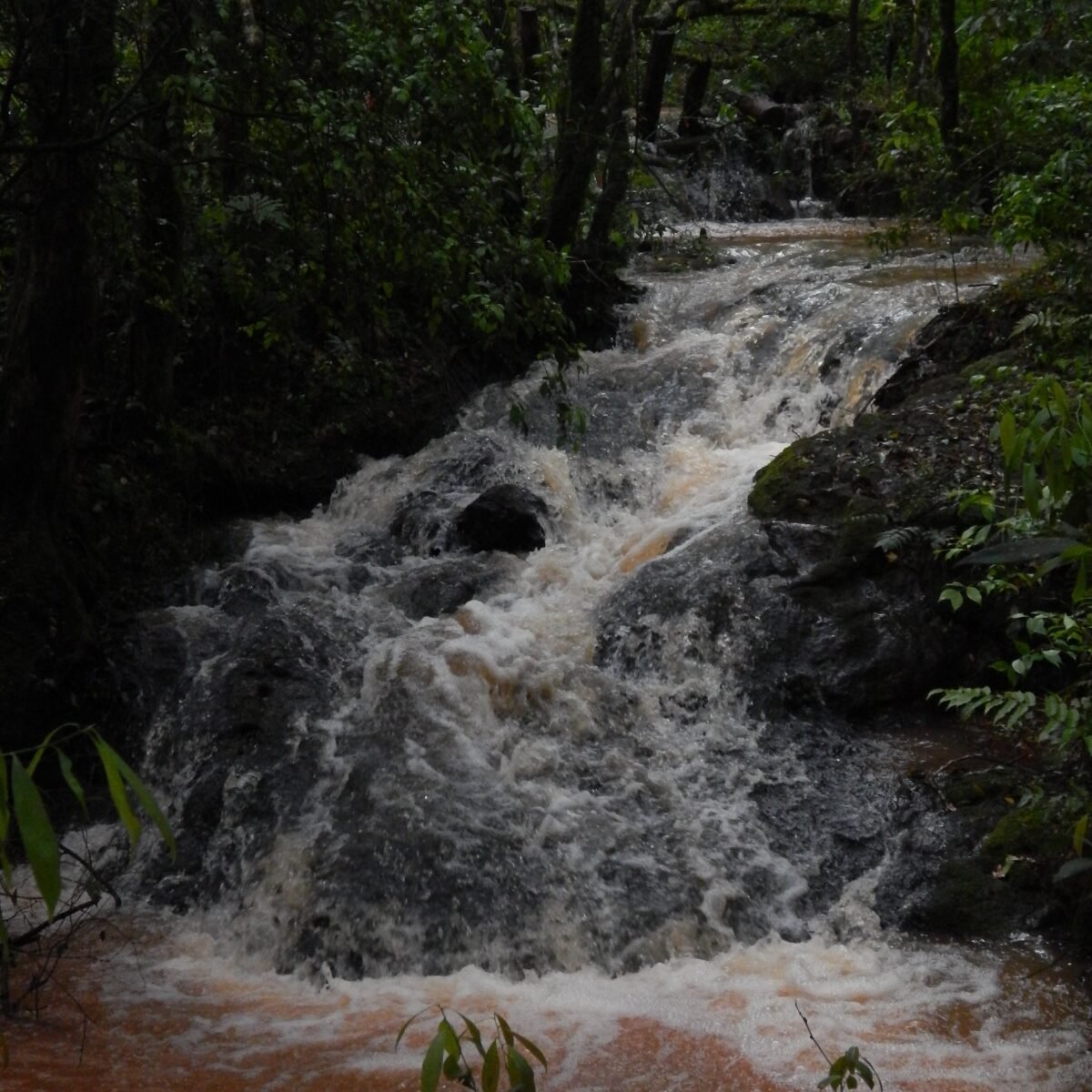
The forest is crossed by the Persiguero stream, which is fed by springs along its long course before flowing into the Uruguay River.
The reserve features trails that wind through the forest, allowing visitors to discover the local flora and fungi, as well as to spot birds and traces of the animals that inhabit the reserve.
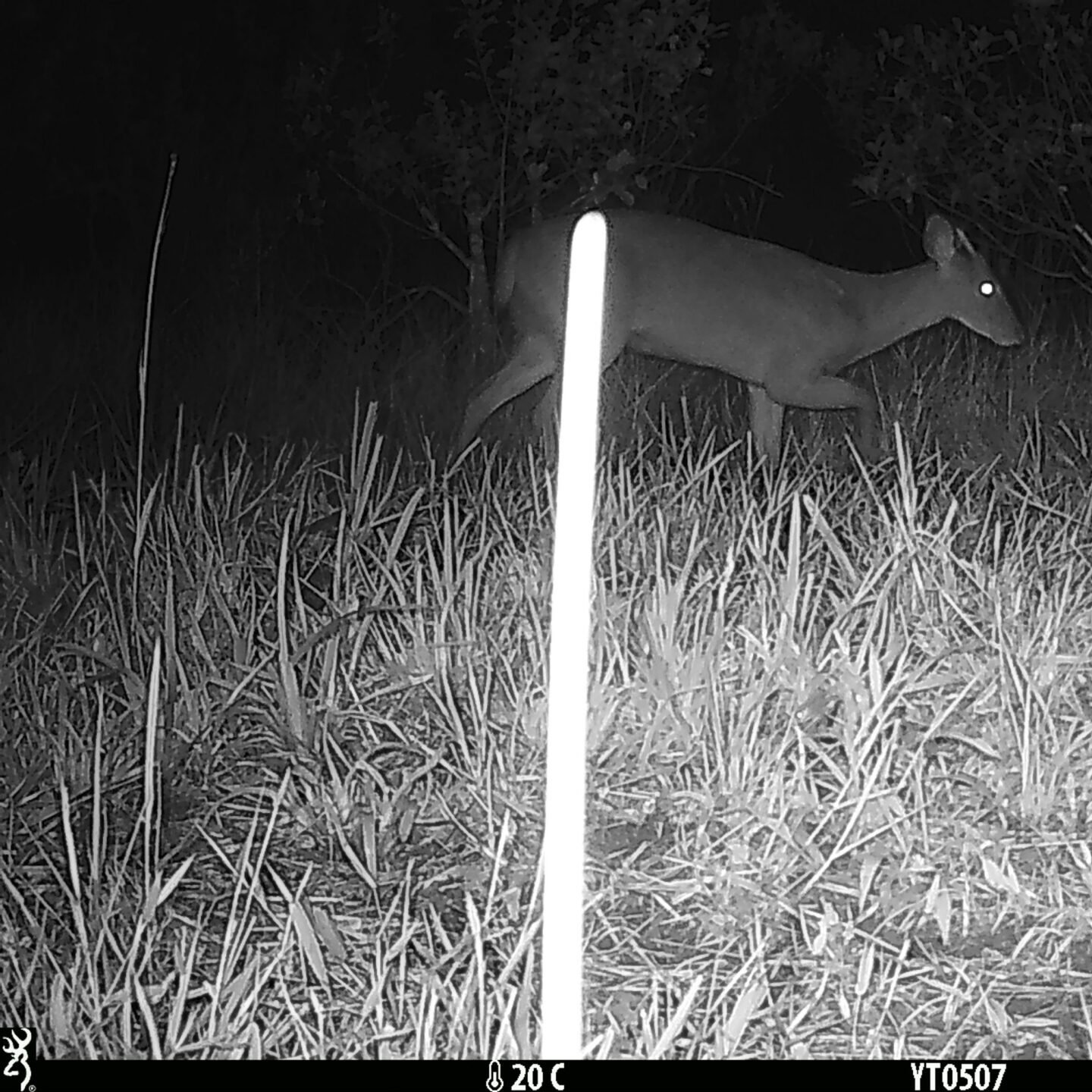
Our camera trap has captured, in addition to the tirica, animals such as armadillos, foxes, yaguarundis, deer, coatis, aguará popé, lizards, and various bird species.
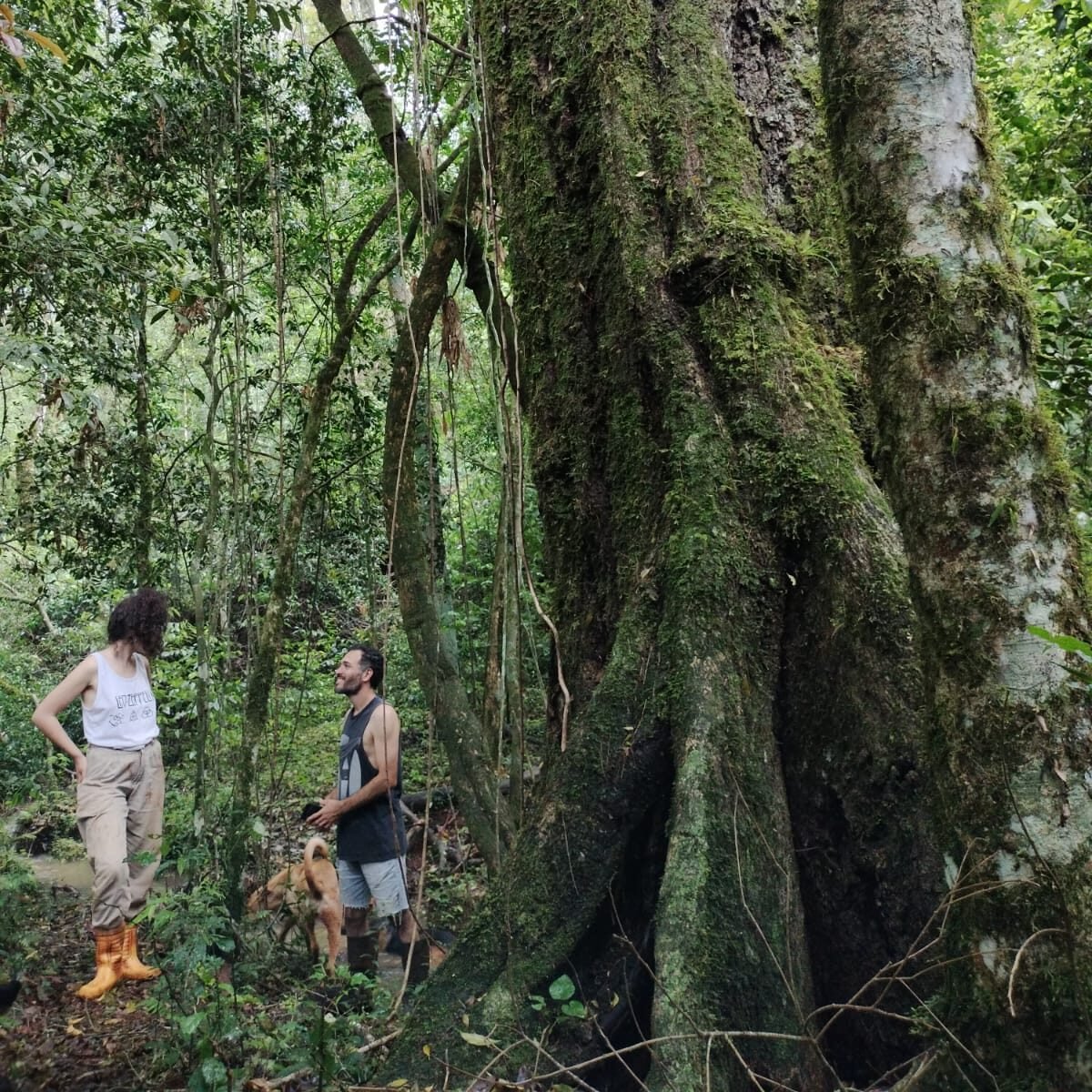
Since 2021, we have planted over 800 native trees, reforesting different areas and reintroducing species that had been removed in the past, enriching the genetic and biological diversity of the reserve.
We can regenerate the environment if we regenerate the community network.
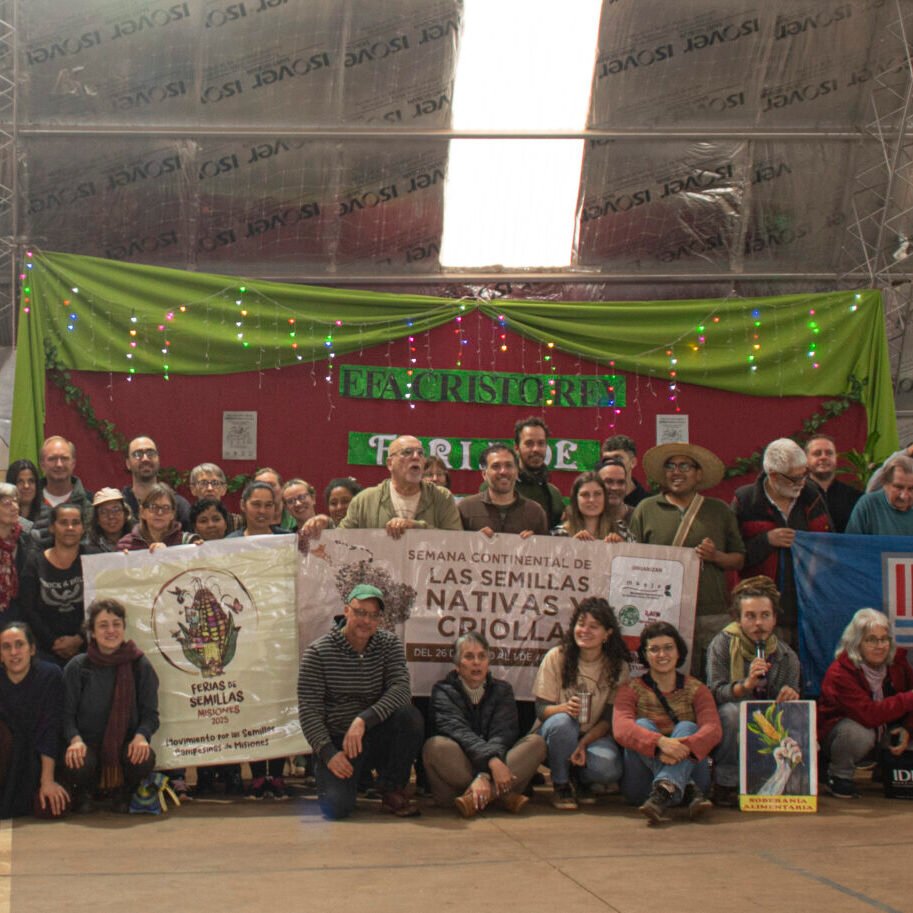
At Paso Tirica, we seek to build community networks through projects developed both on the farm and in its surrounding areas. We are part of the Misiones Organic Agriculture Network (RAOM), a space with over 25 years of socio-environmental activism.
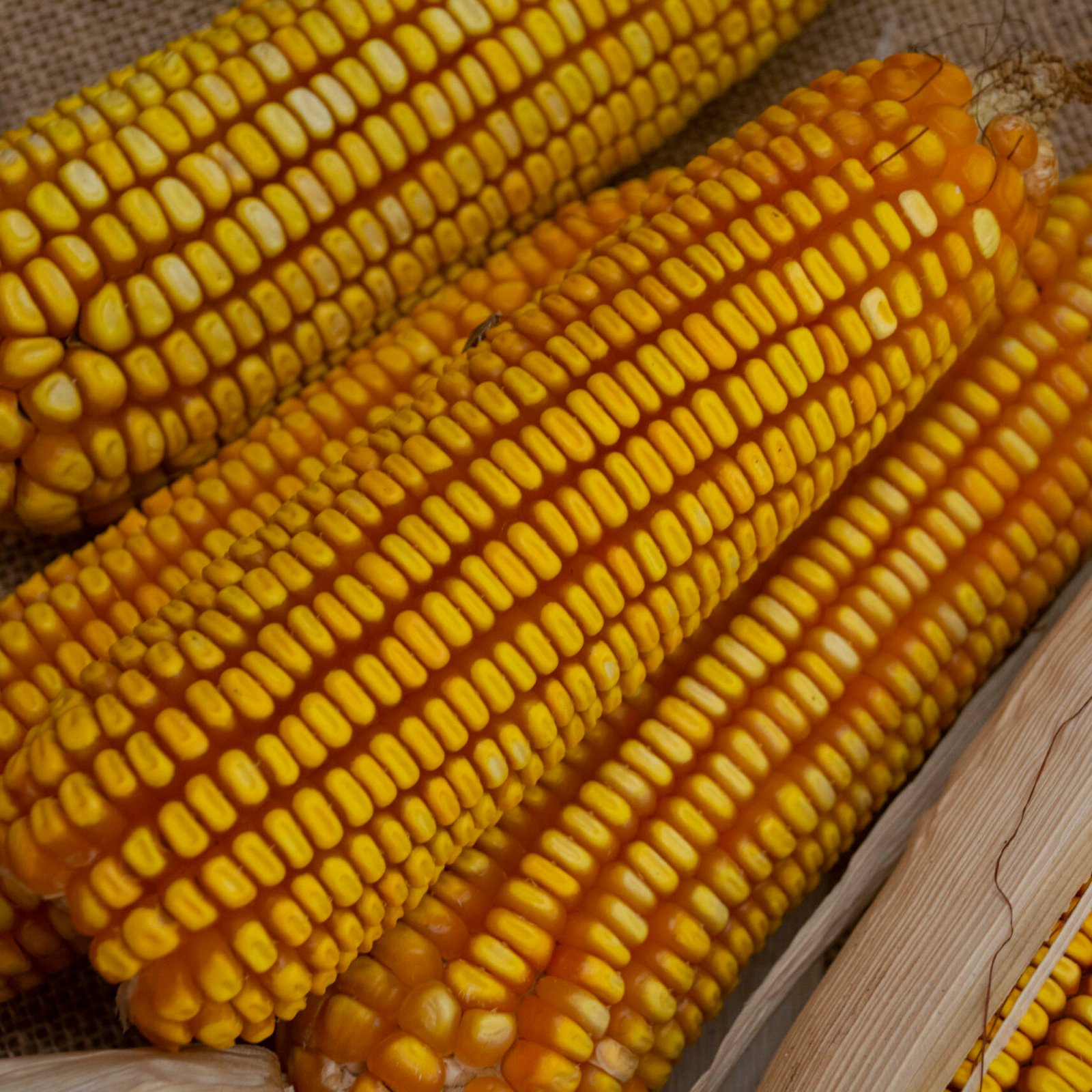
Since 2021, we have participated annually in the Native and Creole Seeds Gatherings, and since 2025, we have established ourselves as a Seed House, safeguarding biodiversity and the cultural heritage connected to it.
We also collaborate on projects with neighboring farmers, cooperatives, and rural schools in the area.
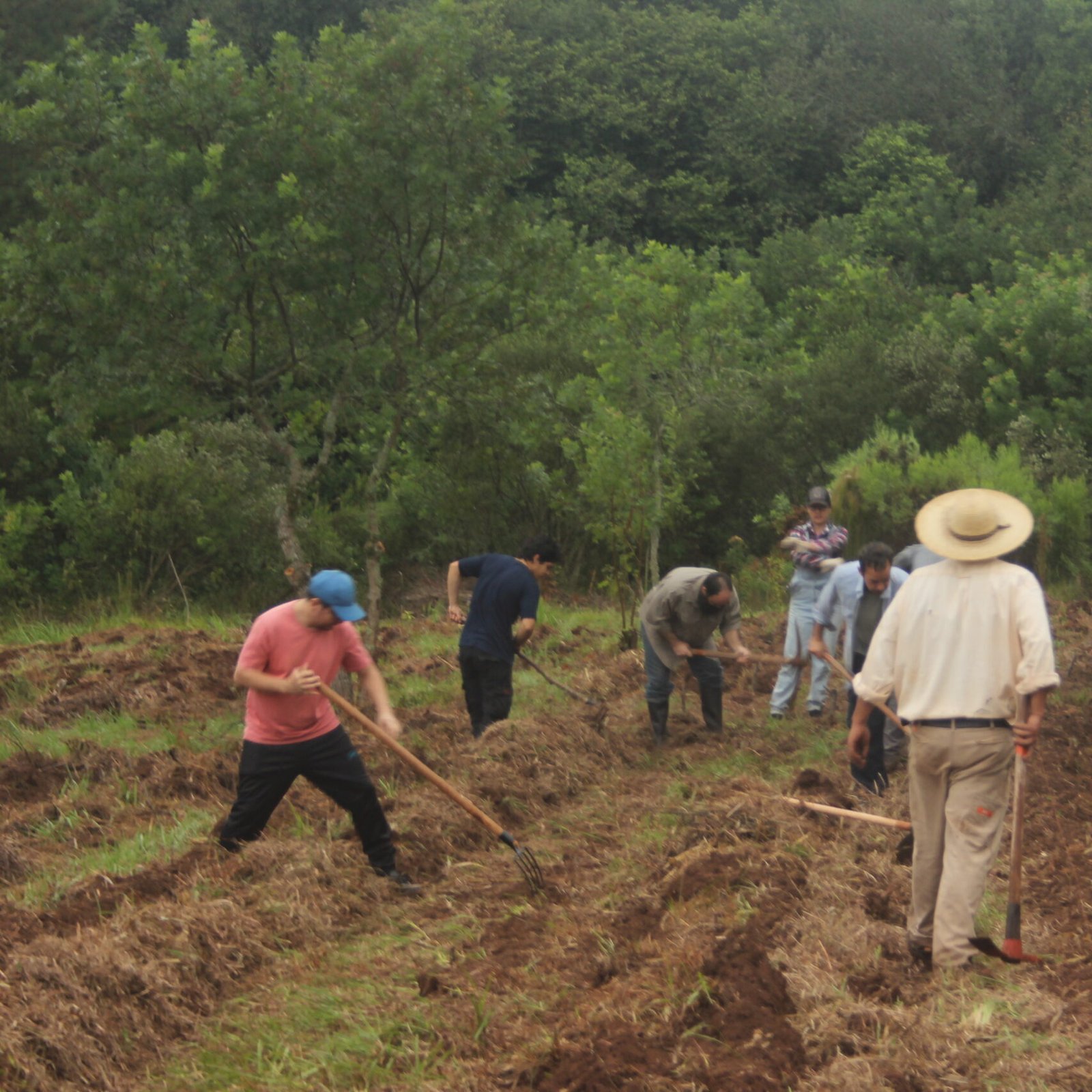
In addition, we organize annual workshops and hands-on training sessions on agroforestry systems and regenerative agriculture at the farm.
We also run a volunteer program for people who wish to experience and learn about everyday life at Paso Tirica.
© 2026 Paso Tirica. Developed by Adriano Cabral Studio


